
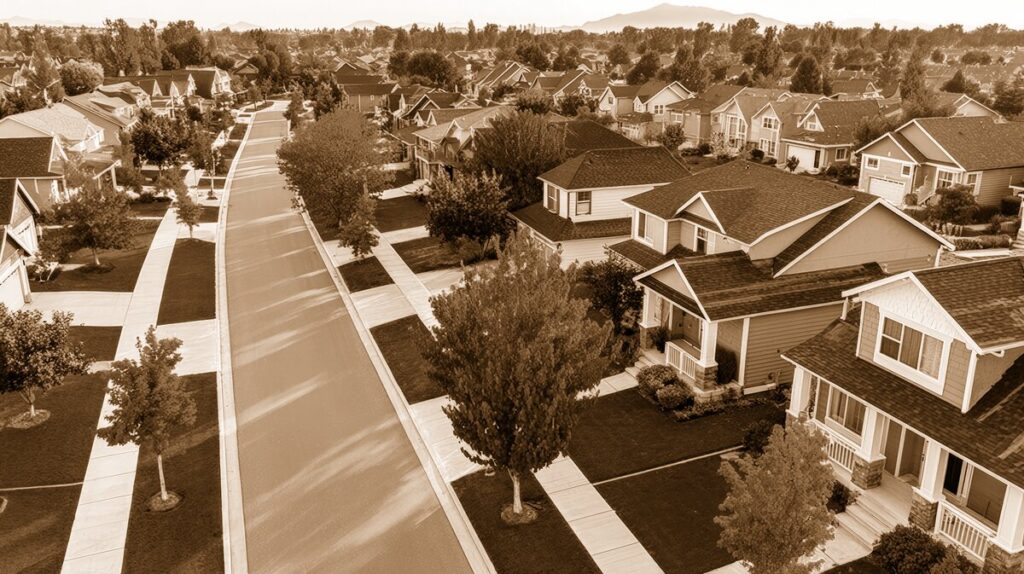
Nestled just east of downtown Flagstaff, Sawmill Place offers a unique blend of historic roots and modern vibrancy. The neighborhood embodies the enduring spirit of Flagstaff, a city shaped by its rugged natural beauty and a deep connection to the timber industry. If you stroll through its leafy streets or visit its well-loved parks, the echoes of history — the whir of old saw blades, the laughter of families building a life here — still linger.
Origins: From Lumber Town to Thriving Neighborhood
The name “Sawmill Place” pays tribute to Flagstaff’s earliest and most defining industry. In the late 19th and early 20th centuries, sawmills were the heartbeat of Flagstaff. The expansive ponderosa pine forests that surround the city drew lumber companies to the area, and the first sawmill operations began in the 1880s, shortly after the arrival of the Atlantic and Pacific Railroad.
Early sawmills clustered near the railroad tracks and what is now the Sawmill Place area, taking advantage of easy transport for raw logs and finished lumber. The neighborhood’s location — just a short walk along Butler Avenue or Lonetree Road from Flagstaff’s historic downtown — made it ideal for mill workers and their families to settle.
How Sawmill Place Got Its Name
The neighborhood’s name is an affectionate salute to the industrial heart that once beat here. An actual lumber mill once stood near today’s Sawmill Park, a vital reminder of Flagstaff’s blue-collar roots. That mill’s presence, plus the frequent hum of industry, shaped everyday life: streets filled with workers in soot-stained overalls, children playing in the shadow of towering log piles, and tight-knit families forging their destinies.
As the timber industry evolved — and eventually waned — the area gradually transitioned to residential and commercial uses, but the name stuck. Today, “Sawmill Place” is more than a map label; it’s a proud badge of local heritage.
Key Historical Milestones
- 1880s–1920s: The heyday of Flagstaff’s lumber mills saw rapid expansion. New homes, boarding houses, and tiny shops sprang up around the original mill. Streets like South O’Leary Street and East Butler Avenue became thoroughfares for mill traffic and community gatherings.
- Mid-20th Century: As the timber industry shifted and declined, Sawmill Place saw an influx of new residents. Former mill land was subdivided, and small cottage homes and modest bungalows began to appear, still reflecting the area’s working-class roots.
- Late 1990s–2000s: An urban revitalization wave reached the neighborhood. The site of the old Arizona Lumber and Timber mill became the Sawmill Park and Sawmill Multicultural Art and Nature County Park, giving new life and purpose to the land.
- Recent Decades: Modern townhomes, apartments, and small local businesses joined the classic housing stock, reflecting Flagstaff’s growth and diverse population. Yet, reminders of the past remain woven into the very fabric of the neighborhood.
Notable Landmarks & Institutions
- Sawmill Multicultural Art and Nature County Park: Perhaps the clearest symbol of the neighborhood’s respect for the past and investment in the future, this park beautifully blends eco-conscious design with community arts and gathering spaces. It stands on historic mill grounds, a living tribute to cultural unity and environmental stewardship.
- Heritage Square (nearby): A short walk from Sawmill Place, this Flagstaff icon connects residents to broader city history and hosts community events all year long.
- Flagstaff Urban Trail System (FUTS): Stretching through the neighborhood, these walking and biking paths once traced routes traveled by mill carts and railroad crews. Today, they link families, friends, and neighbors with downtown and beyond.
- Historic Southside Neighborhood: Adjacent to Sawmill Place, the Southside shares deep roots in Flagstaff’s railroad and lumber mill past. South O’Leary Street and Lone Tree Road are especially evocative, showcasing period architecture and legacy eateries.
Sawmill Place Today: A Neighborhood of Heart and Heritage
Modern Sawmill Place blends the old and new with rare grace. The area’s centerpiece park is alive with school kids playing, community gardeners tending native plants, and neighbors gathering for drum circles or poetry readings. New housing and shops serve a diverse, energetic population — students from Northern Arizona University, longtime locals, and newcomers drawn by Flagstaff’s outdoor lifestyle.
You’ll still find traces of the original mill history preserved in:
- Interpretive signs at Sawmill Park, chronicling the land’s journey from timber to trails.
- Restored artifacts, such as antique gears and log carriage wheels, displayed artfully at community hubs.
- Street names and public art that reference the logging era, celebrating Sawmill Place’s blue-collar beginnings.
This attention to history gives Sawmill Place an identity that’s proud and rooted. The neighborhood’s annual clean-up days, holiday parades along Butler Avenue, and spontaneous softball games at the park all echo the sense of community togetherness that sawmill families once depended on.
What Makes Sawmill Place Special
Ask any longtime resident what makes Sawmill Place unique, and you’ll hear stories of resilience, creativity, and neighborly spirit. There’s a sense that this place remembers where it came from — and knows where it’s going. As you walk shaded streets or join a festival at the park, you become part of a story that started with sawdust and grit but continues now with shared dreams.
- It’s a neighborhood where the past is never far away — but the future looks bright.
- Where Friday night means live music at a local café, Saturday morning brings a hike on the Urban Trail, and Sunday afternoon might find you leafing through photos at a pop-up neighborhood history exhibit.
- And where every new chapter — from mill town to modern Flagstaff hub — respects the land and the lives that built it.
Whether you’re a Flagstaff native tracing your family’s heritage, or a visitor discovering a pocket of Arizona history, Sawmill Place welcomes you with open arms, a storied past, and an unbreakable community spirit.